When a person is saved, a profound change occurs and they are taken from one realm to another. The non-Christian only knows the earthly realm. But the Christian knows two realms: earthly and heavenly. In this sermon on Ephesians 1:3 titled “In Heavenly Places,” Dr. Martyn Lloyd-Jones expounds the mystery of Paul’s words, showing that in Christ, the Christian has heavenly citizenship. The consequence of this teaching is far-reaching. This makes the Christian an enigma to others and to themselves. They wrestle with sin like others do but do not enjoy it. There are social consequences as well. While the world places its confidence in the perfectibility of humanity and hope for a better future through education, government, and culture, the Christian is engaged in such matters, but their hope is firmly set on the heavenly places, in their afterlife with Christ. Their faith is on the sure ground of the return of Christ and the eternal home where the Savior is, seated in the heavenlies. No one can change their nature; it is only done through faith in God's only Son.
Find peace and comfort this season with your complimentary guide that includes access to 6 free bonus sermons on overcoming spiritual depression from Dr. Martyn Lloyd-Jones, one of the church’s most beloved Bible teachers. Topics include: true Christians can and do struggle with depression, recovering the joy of your salvation, dealing with crippling guilt over past sins, dealing with yesterday’s haunting regrets, encouragement to keep moving forward, and understanding God’s purpose for suffering.
From the MLJ Archive is the Oneplace.com hosted ministry of the MLJ Trust. Our mission is to promulgate the audio ministry of Dr. Martyn Lloyd-Jones.
Acerca de Dr. Martyn Lloyd-Jones
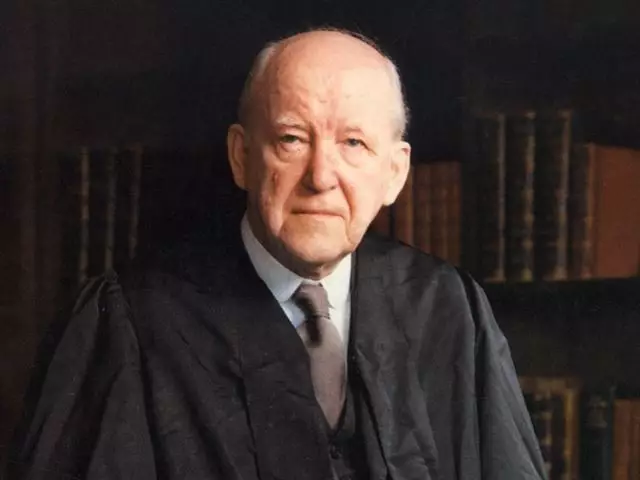
Dr. Martyn Lloyd-Jones (1899–1981) has been described as "a great pillar of the 20th century Evangelical Church". Born in Wales, and educated in London, he was a brilliant student who embarked upon a short, but successful, career as a medical doctor at the famous St Bartholemew's Hospital. However, the call of Gospel ministry was so strong that he left medicine in order to become minister of a mission hall in Port Talbot, South Wales. Eventually he was called to Westminster Chapel in London, where thousands flocked to hear his "full-blooded" Gospel preaching, described by one hearer as "logic on fire". With some 1600 of his sermons recorded and digitally restored, this has left a legacy which is now available for the blessing of another generation of Christians around the world — "Though being dead he still speaks".
Contactar From the MLJ Archive con Dr. Martyn Lloyd-Jones